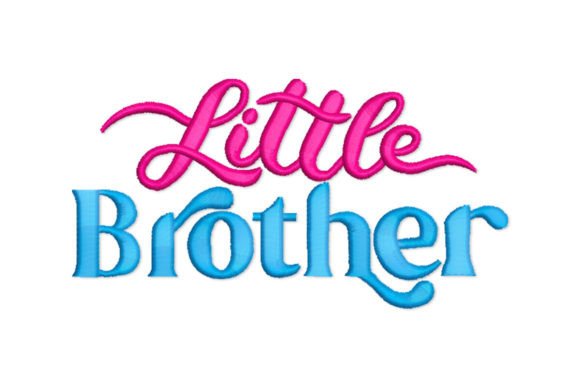
Little Brother Embroidery Design
The Little Brother embroidery design is a charming and versatile addition to any craft fair product lineup. Its whimsical fonts and playful motifs make it an instant favorite for baby clothing, but its appeal extends far beyond the nursery. As an experienced embroidery designer, I’ve evaluated this design in various contexts—tote bags, aprons, tea towels, and more—and found it to be both visually engaging and commercially viable.
First Impressions of Little Brother
From the first glance, Little Brother exudes a soft, cute, and slightly whimsical vibe. The design feels like a warm hug, perfect for celebrating the youngest member of the family. It has a modern yet nostalgic feel, blending playful elements with a touch of farmhouse charm. This duality makes it adaptable to a wide range of styles, from minimalist to decorative.
Where Little Brother Shines
At a craft fair, Little Brother stands out on products that catch the eye at a distance. Tote bag designs with this motif draw attention immediately, especially when paired with bold thread colors. Apron embroidery and tea towel embroidery featuring Little Brother create a cohesive look that appeals to parents looking for personalized gifts. The design also works well as an embroidered patch, adding a subtle yet meaningful detail to caps, fabric pouches, and market bags.
On pillow covers and handmade gifts, Little Brother adds a personal touch that resonates with customers. For Etsy sellers and small shop products, it’s a strong contender for listings that emphasize handmade quality and emotional value. As a printable mockup, it provides clear visual assets that help buyers envision the finished product before purchasing.
Practical Selling and Production Considerations
Little Brother is easy to understand at a glance, making it ideal for fast decision-making at a booth. It can be used as a small accent or a large focal point, depending on the product. On tote bags and aprons, it looks great in larger sizes, while on caps and patches, it maintains clarity without becoming too busy.
For online listings, the design photographs well, especially when using contrasting thread colors against light fabrics. However, it may lose some detail on dark fabrics or textured towels. When producing in bulk, the stitch density is manageable, and the hoop size required is standard for most commercial embroidery machines.
Careful-Use Notes
While Little Brother is generally easy to work with, there are a few considerations. Dense stitch areas may require additional stabilizer to prevent puckering, especially on lightweight fabrics. Tiny details and small lettering could be challenging on curved cap surfaces or thick materials. For best results, test the design on scrap fabric before mass production.
When working with dark fabric, ensure the thread colors provide enough contrast. If the design is too small, some elements may become unclear, so it’s important to scale appropriately based on the product type. Always review spacing and confirm the right stabilizer for each fabric texture.
Impact on Visual Appeal and Customer Engagement
Little Brother enhances the visual appeal of any product it’s applied to. Its playful nature draws customer attention, making it a strong conversation starter at a booth. As a handmade product, it reinforces the value of custom embroidery and the care put into each piece. For brand consistency, it fits well in collections that focus on family quotes and sentimental themes.
As an embroidery file, it offers flexibility for digital sellers and boutique makers. Whether used as a standalone design or part of a larger collection, it adds a unique touch that resonates with buyers. For commercial embroidery, it’s a reliable choice that balances creativity with practicality.
Embroidery Designer Notes
Before finalizing any project, I recommend testing the Little Brother design on different fabrics to see how it performs. Check thread colors for contrast and ensure the hoop size matches your machine’s capabilities. Review stitch density to avoid overcrowding, and always use the appropriate stabilizer for the material you’re working with.
Create at least one real mockup to assess how the design looks in person. Compare fabric colors to ensure the design stands out as intended. Finally, confirm commercial licensing before selling finished products to avoid any legal issues. These steps will help ensure that every Little Brother embroidery design meets the high standards expected by craft fair buyers and Etsy shoppers.