Peachy Keen Embroidery Design Review
As an embroidery designer and product reviewer, I’ve seen my fair share of designs that look great on a screen but fall flat in real-world use. Peachy Keen is one that stands out for its charm and potential, but like any design, it has its strengths and limitations. Let’s take a closer look at how this machine embroidery design performs in practical situations.
The First Impression: A Warm and Inviting Design
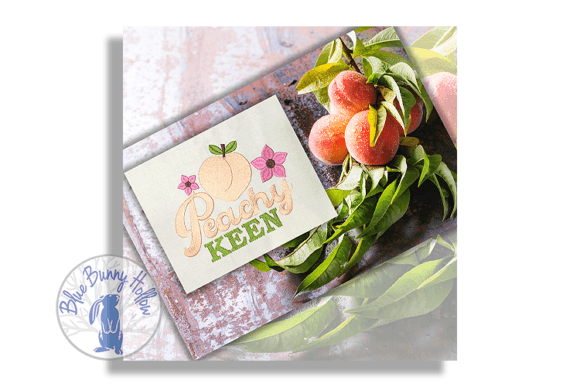
From the moment I saw Peachy Keen, I was struck by its inviting, almost nostalgic vibe. The luscious peach at the center is rendered with soft curves and delicate details, while the surrounding flowers add a touch of whimsy. This design feels like it belongs in a cozy kitchen, a handmade gift, or a personalized item that evokes comfort and warmth.
The layout is balanced and well-structured, making it ideal for projects that need a focal point without overwhelming the space. It’s not overly complex, which means it can work on a variety of items, from tote bags to baby clothes. But that simplicity also means it requires careful handling to maintain its visual appeal.
Real-Life Use Cases: Where Peachy Keen Shines
Imagine you’re preparing a custom embroidered tote bag for a client who loves home decor and food-related gifts. Peachy Keen would be a perfect fit. Its size and shape make it suitable for a medium hoop, and the detail level allows for a clean, professional finish. Whether you’re using it on a cotton canvas tote or a lightweight linen bag, the design holds up well.
For sweatshirt embroidery, Peachy Keen could be a standout piece. It adds a subtle elegance that works on both casual and semi-formal wear. On a baby onesie or a blanket, it brings a gentle, nurturing feel that parents might appreciate. As an embroidered patch, it could be sewn onto jackets, backpacks, or even aprons for a personal touch.
This design also works well as a holiday embroidery project. Pair it with a seasonal message or use it as a standalone motif on Christmas stockings, gift tags, or festive pillow covers. Its warm color palette makes it versatile for both light and dark fabric backgrounds, though care must be taken with thread color contrast.
Where to Be Cautious: Limitations and Considerations
While Peachy Keen is visually appealing, it’s not without its challenges. For instance, if you're working with small hoop sizes, you may find that the design doesn’t fit comfortably. That could lead to stitching issues or a less precise result. Similarly, on textured fabrics or thin, stretchy materials, the design might not sit as smoothly as expected.
On dark fabrics, the design may require a different thread color to stand out. If you’re using it on layered garments or curved surfaces like caps, you’ll need to adjust your technique to ensure the stitches lay flat and don’t pucker. Tiny details, like the edges of the flowers, can be tricky to execute cleanly, especially if the stitch density is too high.
For commercial embroidery projects, it’s important to test the design thoroughly before using it in bulk. Confirming the hoop size, stabilizer type, and stitch density will help avoid costly mistakes. Also, if you're planning to sell finished products or digital embroidery files, make sure to review the licensing terms to ensure compliance.
Impact on Visual Appeal and Customer Perception
When it comes to visual appeal, Peachy Keen has a lot to offer. Its soft lines and natural theme make it highly recognizable and aesthetically pleasing. When stitched correctly, it elevates the overall look of a handmade product, adding a sense of craftsmanship and care.
Customers often respond positively to designs that feel personal and meaningful. Peachy Keen has that quality—it’s not just a pattern, but a statement. Whether it’s used on a custom apparel piece or a personalized gift, it can enhance the perceived value of the finished product. It also helps build trust, as clients see the attention to detail and thoughtfulness behind the design.
For craft businesses and Etsy sellers, this design can be a valuable addition to your collection. It fits well with boutique branding and can be used in printable mockups to showcase your work. As a digital embroidery file, it offers flexibility for designers who want to create unique assets for their clients or customers.
Practical Designer Notes: Tips for Success
Before jumping into a full project, always test the design on scrap fabric. This helps identify any issues with stitch density, thread color, or fabric compatibility. Check the design on both light and dark backgrounds to ensure it looks good in all scenarios.
Use the right stabilizer for your fabric type—especially if you're working with stretchy or delicate materials. Make sure the hoop size is appropriate for the design, and inspect every corner for clarity. If you’re creating a printable mockup, consider how the design will look when scaled down or viewed from a distance.
Finally, remember that Peachy Keen is best suited for projects where the design can be the star. It may not be the best choice for busy patterns or areas with limited space. But when used thoughtfully, it can bring a unique and charming element to your embroidery work.
Final Thoughts: A Design Worth Considering
Peachy Keen is a design that combines beauty with practicality. It’s ideal for a wide range of embroidery projects, from custom apparel to personalized gifts. While it has some limitations, those are more about execution than the design itself. With the right approach, it can become a valuable asset in your creative toolkit.
If you're looking for a design that feels warm, inviting, and ready to bring life to your next project, Peachy Keen is definitely worth exploring. Just remember to test it thoroughly and use it where it will shine the brightest.