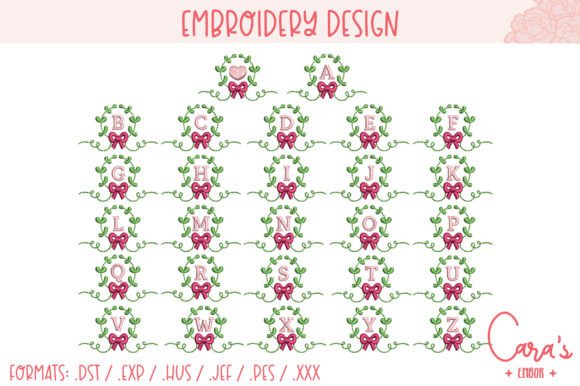
Small Wreath Alphabet Review
The Small Wreath Alphabet embroidery design offers a unique and artistic way to incorporate letters and characters into fabric or textiles. As an experienced embroidery designer, I’ve evaluated this design for its potential in small business merchandise, branded patches, and custom apparel. This review focuses on how it performs in real-world applications and what considerations should be made before using it for commercial purposes.
First Impressions of Small Wreath Alphabet
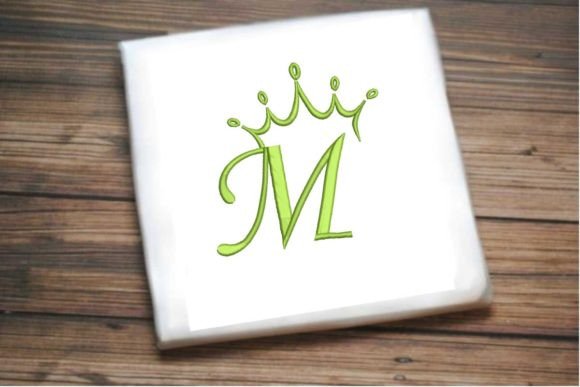
From the first glance, the Small Wreath Alphabet design appears elegant and decorative. It combines a classic wreath motif with lettering, making it ideal for branding that leans toward sophistication and visual appeal. The design has a handmade quality that can enhance the perceived value of a product, especially for small businesses aiming to create a warm and inviting brand identity.
It feels versatile enough for both modern and traditional settings, though it may not be the best fit for highly minimalist or ultra-technical branding. Its artistic nature makes it suitable for boutique merchandise, Etsy sellers, and craft businesses looking to add a touch of personality to their products.
Real Business Use of Small Wreath Alphabet
For small business owners, the Small Wreath Alphabet can serve as a powerful tool in creating consistent and recognizable brand elements. Whether used as an embroidered patch, chest logo accent, or sleeve detail, it adds a refined look that can elevate the overall aesthetic of a product.
- Embroidered Patches: The design works well as a patch for uniforms, caps, or tote bags. It maintains clarity at moderate sizes and can be customized with different thread colors to match brand palettes.
- Staff Uniforms and Aprons: When applied to aprons or work shirts, the Small Wreath Alphabet can reinforce brand identity while remaining subtle enough to avoid overwhelming the garment.
- Cap Embroidery: On caps, it’s best suited for larger front placements where the details can be clearly seen. Smaller cap sizes may require adjustments to ensure legibility.
- Tote Bag Design: As a bag mark, it provides a decorative yet professional finish that aligns with eco-friendly and artisanal branding trends.
- Product Packaging Accents: The design can be used on tags, labels, or packaging to add a personalized touch that enhances customer experience.
Where to Use Small Wreath Alphabet Carefully
While the Small Wreath Alphabet is visually appealing, there are certain scenarios where caution is advised:
- Small Patch Sizes: At very small sizes, the intricate details may become lost or distorted during the embroidery process.
- Cap Fronts: If placed on a cap’s front, the design may require resizing or simplification to maintain clarity and balance.
- Curved Surfaces: Embroidery on curved areas like hats or sleeves may cause distortion if the design isn’t adapted for such surfaces.
- Tiny Lettering: If the design includes small text, ensure that the stitch density allows for clear visibility without excessive complexity.
- High Stitch Density: Designs with dense stitching may lead to puckering or fabric damage, especially on delicate materials.
- Detailed Outlines: Thin lines or fine outlines may not hold up well on textured fabrics or in high-traffic areas.
- Dark Uniforms: On dark backgrounds, the contrast between the thread color and fabric must be carefully considered to ensure visibility.
- Frequent Washing: For items that undergo regular laundering, the durability of the embroidery should be tested to prevent fading or fraying.
Impact on Brand Identity and Customer Trust
The Small Wreath Alphabet can significantly influence a brand’s visual identity. When used consistently across merchandise, it helps build recognition and trust among customers. A well-executed design reinforces professionalism and attention to detail, which are essential for small businesses aiming to stand out in a competitive market.
It also enhances the perceived value of handmade products by adding a custom, artisanal feel. For Etsy sellers and craft brands, this design can serve as a key element in creating a cohesive and attractive product line.
Moreover, when used in customer gifts or event merch, the Small Wreath Alphabet can act as a memorable brand touchpoint, increasing engagement and fostering long-term loyalty.
Practical Embroidery Designer Notes
Before finalizing the use of the Small Wreath Alphabet for commercial projects, consider these practical steps:
- Test in Black and White: Start with a monochrome version to assess how the design looks on different fabric types and under various lighting conditions.
- Check Small Patch Size: Ensure that the design remains legible and visually appealing at the intended size.
- Review Thread Color Contrast: Choose thread colors that complement the fabric and enhance the design’s readability.
- Inspect Spacing: Verify that the spacing between letters and elements is balanced and doesn’t appear cramped or uneven.
- Confirm Hoop Size: Make sure the design fits within your machine’s hoop dimensions to avoid cutting or scaling issues.
- Test on Real Fabric: Always test the design on the actual material you plan to use for the finished product.
- Use Proper Stabilizer: Stabilizers help prevent puckering and ensure even stitching, especially on delicate or stretchy fabrics.
- Create a Mockup: Develop a printable mockup to show clients or stakeholders how the design will appear on the final product.
- Compare with Other Design Assets: Ensure the Small Wreath Alphabet aligns with other branding elements to maintain visual consistency.
- Confirm Commercial Licensing: Verify that the embroidery file comes with the appropriate license for commercial use before proceeding with production.
Conclusion: Small Wreath Alphabet for Business Use
The Small Wreath Alphabet embroidery design is a valuable asset for small businesses, especially those focused on handmade products, custom apparel, and branded merchandise. Its elegant and artistic nature makes it suitable for a wide range of applications, from embroidered patches to tote bag designs.
However, its success depends on careful consideration of factors like stitch density, fabric texture, and placement. By following best practices and testing the design thoroughly, businesses can maximize its impact and ensure a high-quality finished product that aligns with their brand identity.