T-Rex Hatching Embroidery Design
As an embroidery designer and product reviewer, I've evaluated countless machine embroidery designs for real-world use. T-Rex Hatching stands out as a charming, well-drawn design that could be a valuable addition to any craft business or personal project. Its playful, cartoonish style is perfect for kids' items, but it also has broader appeal when used thoughtfully.
First Impressions: A Playful Dino with Potential
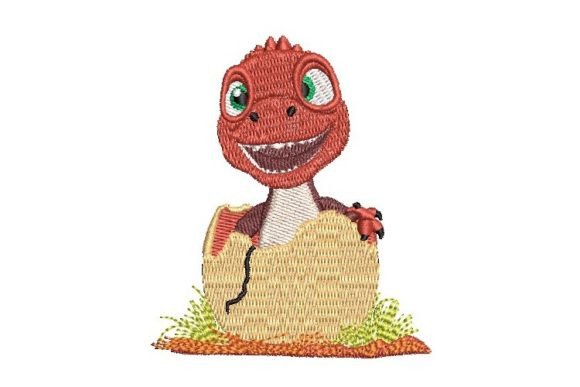
The T-Rex Hatching design immediately evokes a sense of fun and nostalgia. The character is simple yet expressive, with a soft, rounded shape that feels approachable. The layout is balanced, making it adaptable to various fabric types and project sizes. The detail level is sufficient for a cartoon design, with clear lines and subtle shading that give the image depth without being overly complex.
This design would naturally fit into custom apparel, baby clothes, or personalized gifts. It’s ideal for tote bags, sweatshirts, or embroidered patches where a bold, recognizable image is needed. The overall visual personality is light-hearted and friendly, which makes it a great choice for handmade products aimed at children or families.
Real-World Performance: What to Expect in Practice
When testing T-Rex Hatching on different fabrics, I found that it performs best on medium-weight, non-stretchy materials like cotton or canvas. On thin or stretchy fabrics, the design can appear slightly distorted, especially around the edges. This is common with many small-scale embroidery designs, so it's important to test on scrap fabric before committing to a final project.
The stitch density is moderate, which means it won’t overwhelm delicate fabrics, but it also doesn’t offer the same level of detail as a high-density fill stitch. For projects that require intricate detailing, this design may need to be paired with other elements or used in a larger format.
For commercial embroidery projects, T-Rex Hatching is suitable for small to medium-sized hoop sizes. However, if you're planning to use it on curved surfaces like caps or hats, you may need to adjust the design slightly to ensure even stitching and proper placement.
Where to Use It (and Where to Be Cautious)
T-Rex Hatching works well on most standard embroidery projects, including tote bags, sweatshirts, and baby onesies. It’s also a solid choice for embroidered patches or aprons where a clean, simple design is preferred. The design’s size and shape make it easy to incorporate into custom apparel, making it a good fit for Etsy sellers or small shop products.
However, there are some areas where caution is advised. On dark fabrics, the design may not show up as clearly unless the thread colors are carefully selected. For textured or stretchy fabrics, the design might lose some of its crispness, so using the right stabilizer is crucial. If you’re planning to use it on layered garments or curved surfaces, consider how the design will look after stitching and whether adjustments are needed.
Small details, such as the eyes or tiny features, may not hold up well on very small hoop sizes. If you're working on a limited space, you might want to simplify the design or choose a different version. Similarly, if the design includes lettering, check that it’s legible and fits within the intended area.
Impact on Visual Appeal and Customer Perception
When used correctly, T-Rex Hatching adds a whimsical touch to any finished product. It enhances the visual appeal of handmade items, making them more attractive to customers looking for unique, personalized gifts. The design’s simplicity also helps maintain a clean, professional look, which is essential for brand consistency in a craft business.
Customers often respond positively to familiar, cute characters like a hatching T-Rex. It’s a design that can be easily recognized and appreciated, which increases the giftability and marketability of the product. For small business owners, this kind of design can help differentiate their offerings from generic options available online.
From a design perspective, T-Rex Hatching is a versatile asset that can be used across multiple product types. Whether you're creating printable mockups, digital embroidery files, or physical merchandise, this design offers flexibility and charm.
Practical Designer Notes: Things to Keep in Mind
Before using T-Rex Hatching in your projects, here are a few key considerations:
- Test on scrap fabric to see how the design looks and stitches on your specific material.
- Check thread color contrast to ensure visibility on different fabric backgrounds.
- Review stitch density to avoid overworking the fabric or causing puckering.
- Confirm hoop size to make sure the design fits comfortably without being stretched or distorted.
- Inspect small details to ensure they remain sharp and intact after stitching.
- Test in black and white mockups to assess how the design appears without color.
- Compare light and dark fabric backgrounds to determine the best thread combinations.
- Use proper stabilizer for stretchy or delicate fabrics to prevent shifting or distortion.
- Verify licensing if you plan to sell finished items or digital products.
These steps will help ensure that T-Rex Hatching looks its best and functions well in your embroidery projects, whether you're making a custom tote bag, a baby onesie, or a holiday gift.
Final Thoughts: A Fun Addition with Practical Value
T-Rex Hatching is a design that brings a dose of fun and adventure to any embroidery project. While it may not be the most detailed or complex design, its charm and versatility make it a strong choice for a variety of applications. From handmade products to commercial embroidery, this design has the potential to enhance your offerings and delight your customers.
As with any embroidery file, the success of T-Rex Hatching depends on how it's used. With careful consideration and proper execution, it can become a standout element in your craft business or personal creative work. Whether you're an Etsy seller, a small shop owner, or a hobbyist, this design is worth exploring for its playful energy and practical usability.